



How to Protect Your Dog From Fleas and Prevent Their Return
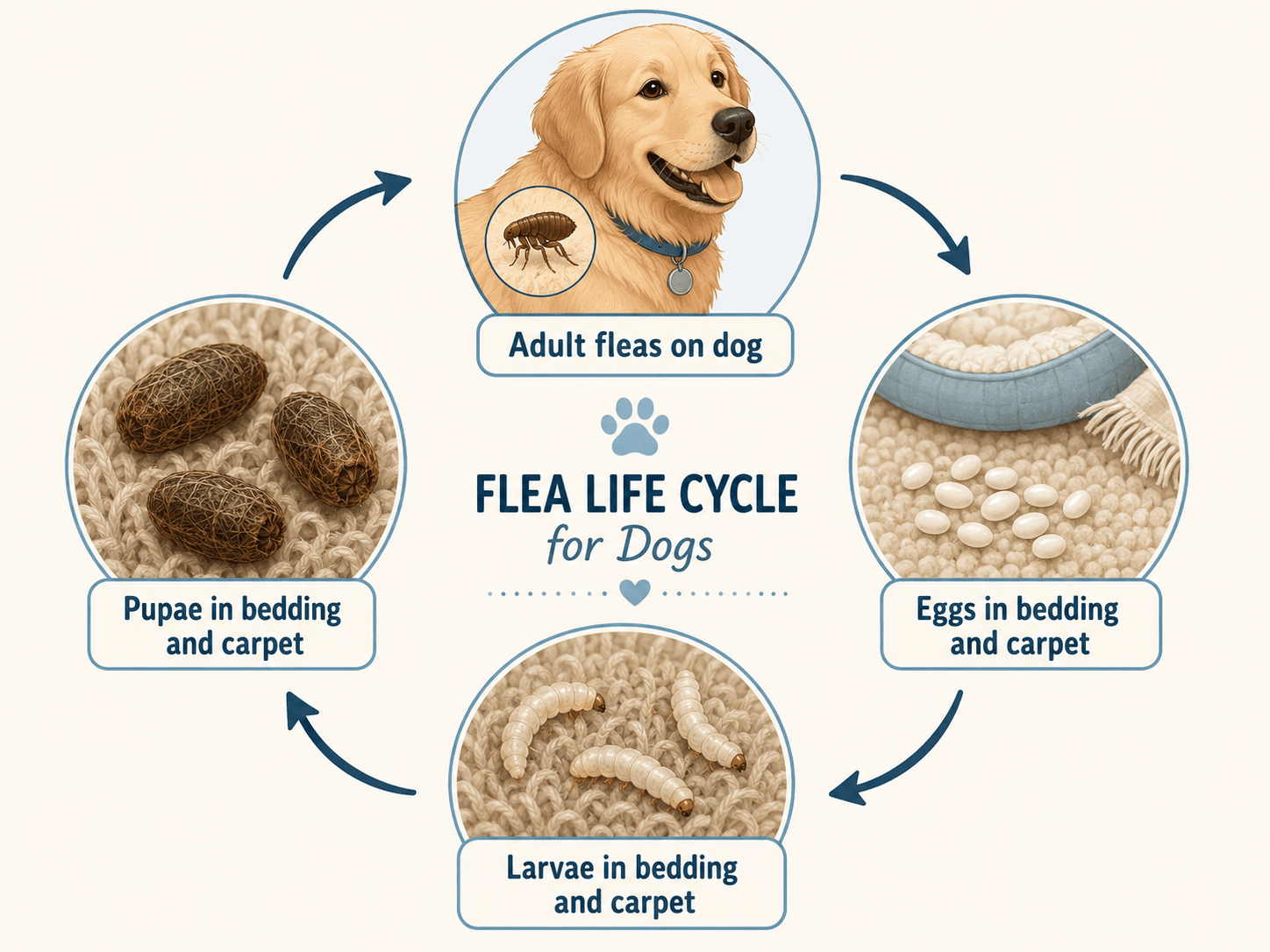
How to protect your dog from fleas starts with doing more than reaching for one quick fix. Fleas live on your dog, though much of their life cycle happens in bedding, carpets, furniture and outdoor resting areas. That means a bath alone rarely solves the whole problem. The most reliable approach combines a suitable flea shampoo to use immediately if flea activity found on the dog, regular coat checks, careful home cleaning and ongoing topical or oral flea prevention for dogs with a plan chosen for your pet’s age, size and health. Catch fleas early, use an appropriate treatment as directed, clean the places your dog spends time and continue checking your pet and home. RSPCA Australia’s advice on controlling fleas recommends treating both the animal and the surrounding environment because flea eggs and developing stages can remain around the home.
TLDR
Fleas don’t just live on your dog. Their eggs and larvae can remain in bedding, carpet and outdoor resting areas, so effective control needs to cover both your pet and their surroundings.
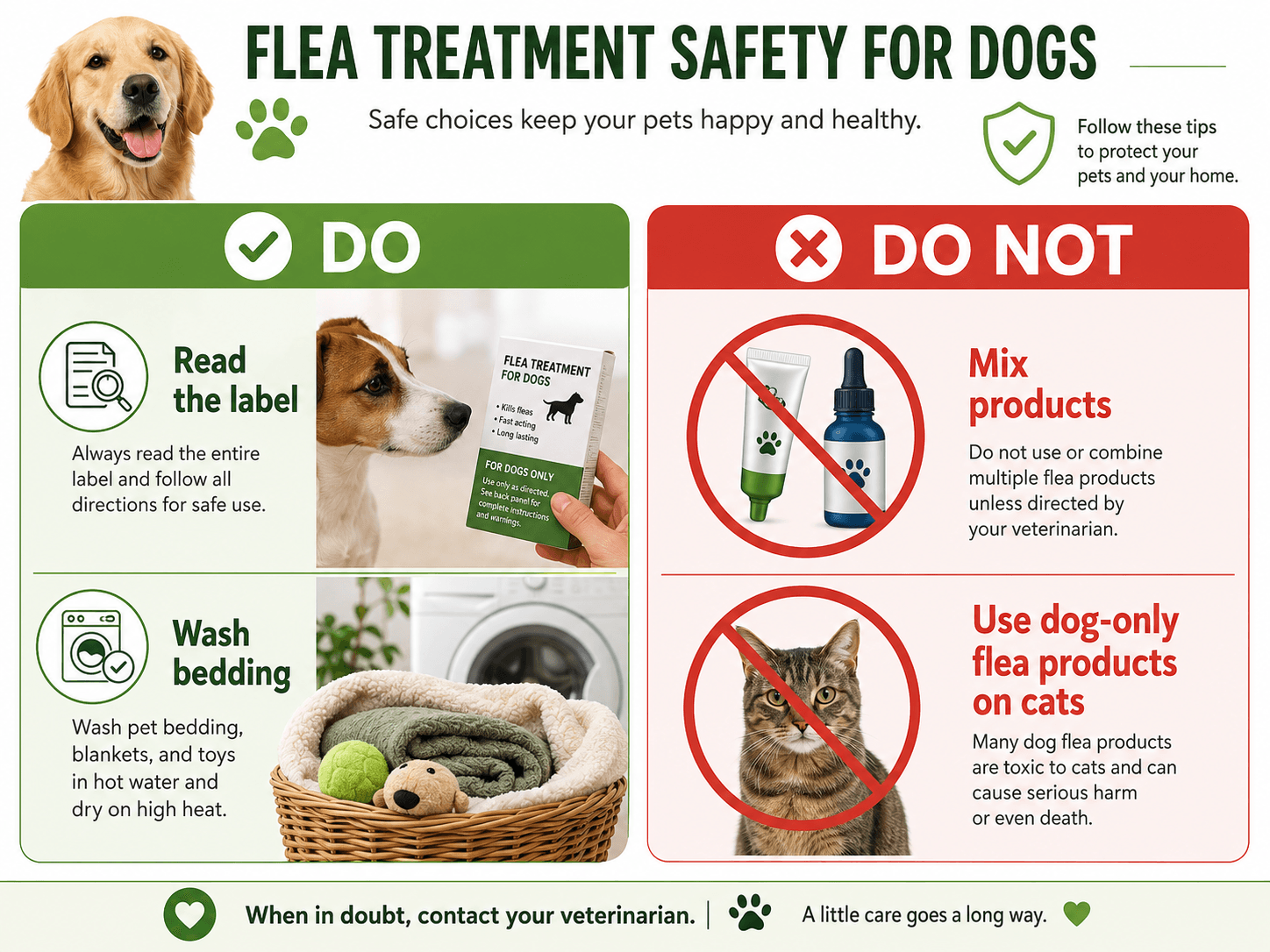
Use a dog specific flea shampoo exactly as directed if activity found on dog, wash bedding, vacuum thoroughly and check every pet in the household. Never use dog only flea products on cats or mix treatments unless your veterinarian confirms they’re safe together.
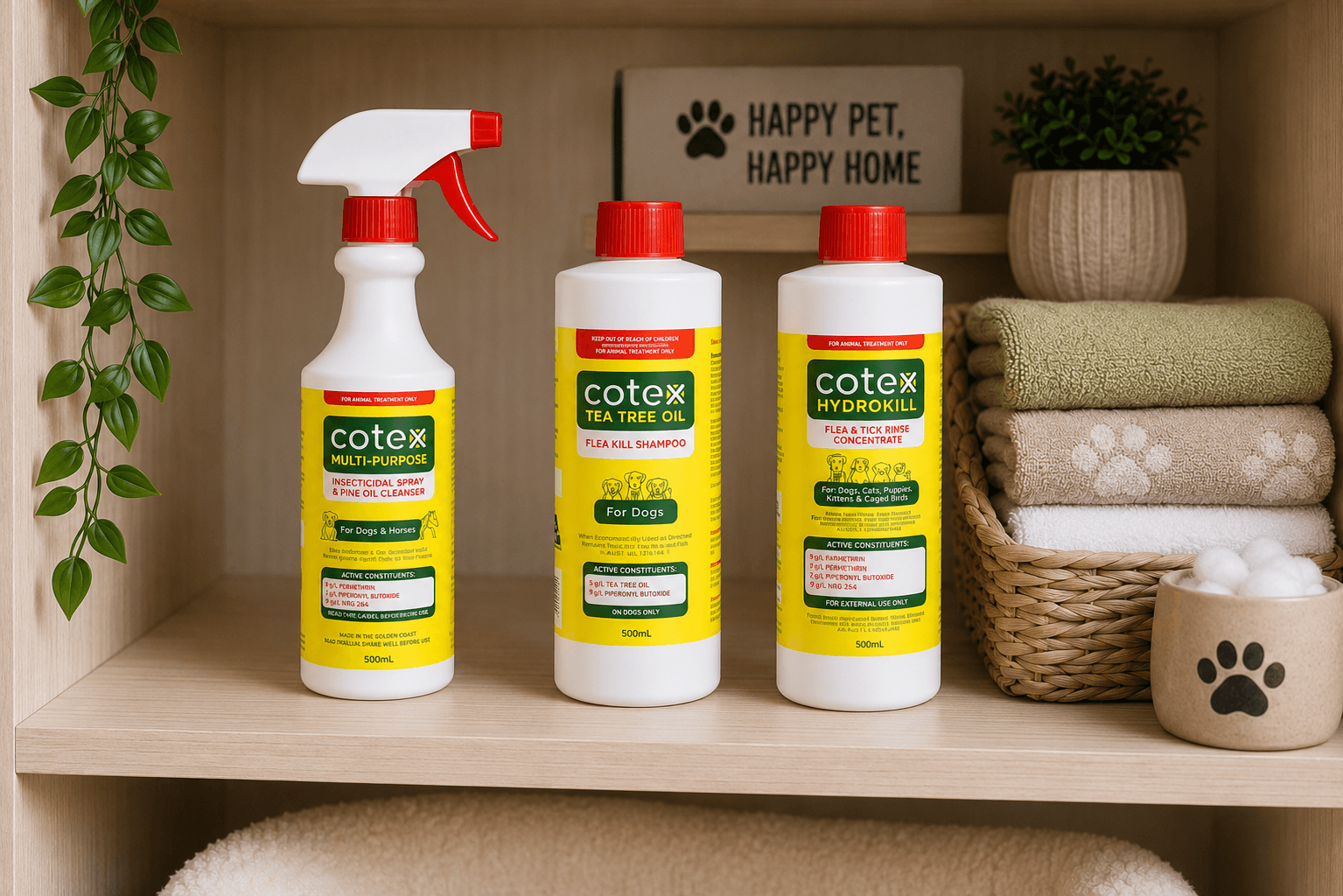
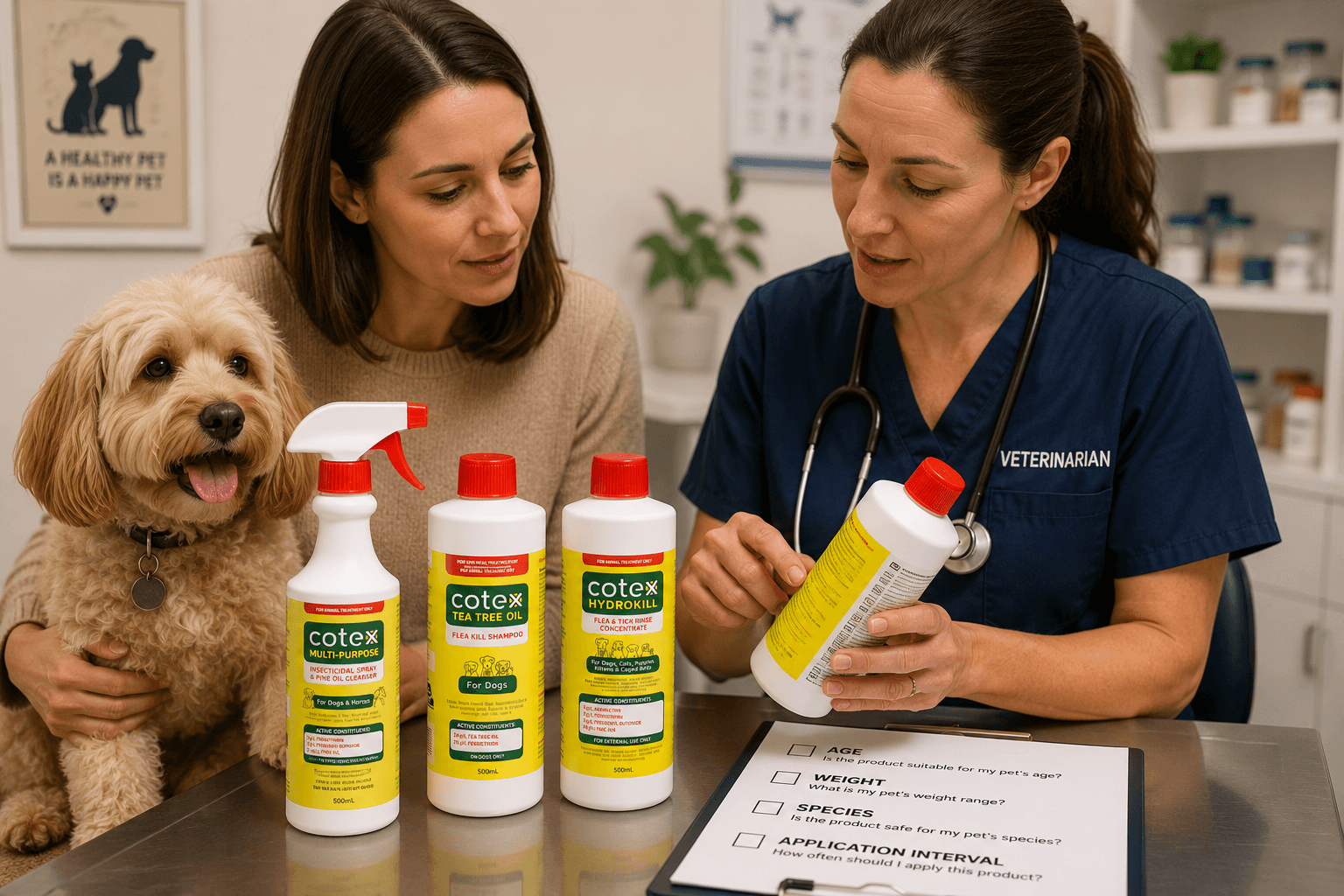
Petway Petcare’s Cotex flea shampoo, insecticidal spray and flea and tick rinse can support a broader flea control routine. For recurring infestations, sensitive skin, puppies or dogs with health conditions, speak with your veterinarian before choosing a treatment.
Why Fleas Need More Than a Quick Bath
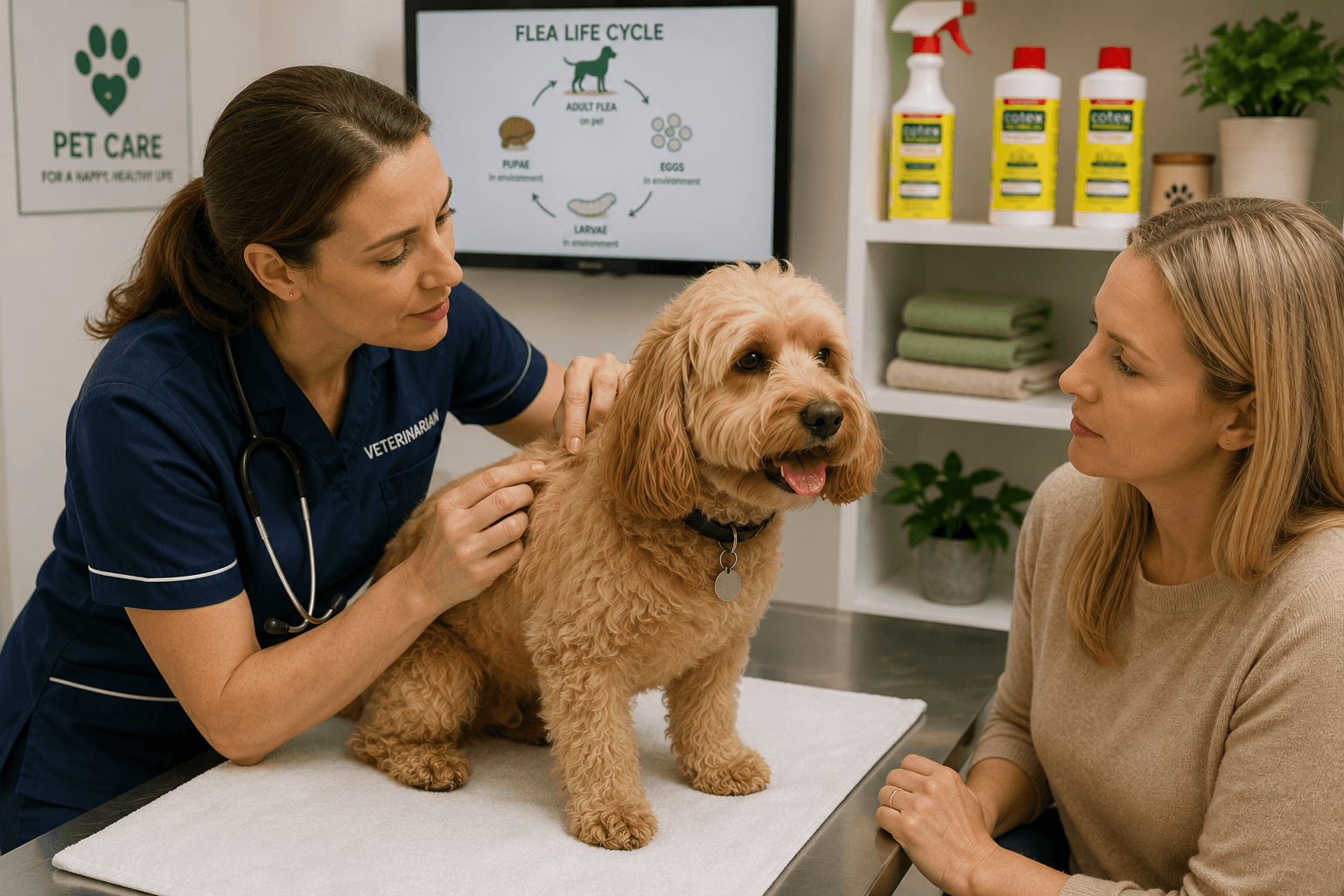
Adult fleas feed on pets, while their eggs fall into the environment and settle in soft furnishings, floor cracks, bedding or shaded outdoor areas. The University of Sydney’s veterinary guidance on fleas notes that most of the flea life cycle occurs away from the animal, which explains why fleas can return soon after bathing. They can cause itching, flea allergy dermatitis, hair loss and secondary skin infections. Heavy infestations may contribute to anaemia in puppies, while dogs can swallow infected fleas during grooming and pick up flea tapeworm. A proper dog flea treatment plan needs to address your dog and the home together. Treating only the coat removes some adult fleas, though it won’t deal with every developing stage waiting nearby.
Check Your Dog for Early Signs of Fleas
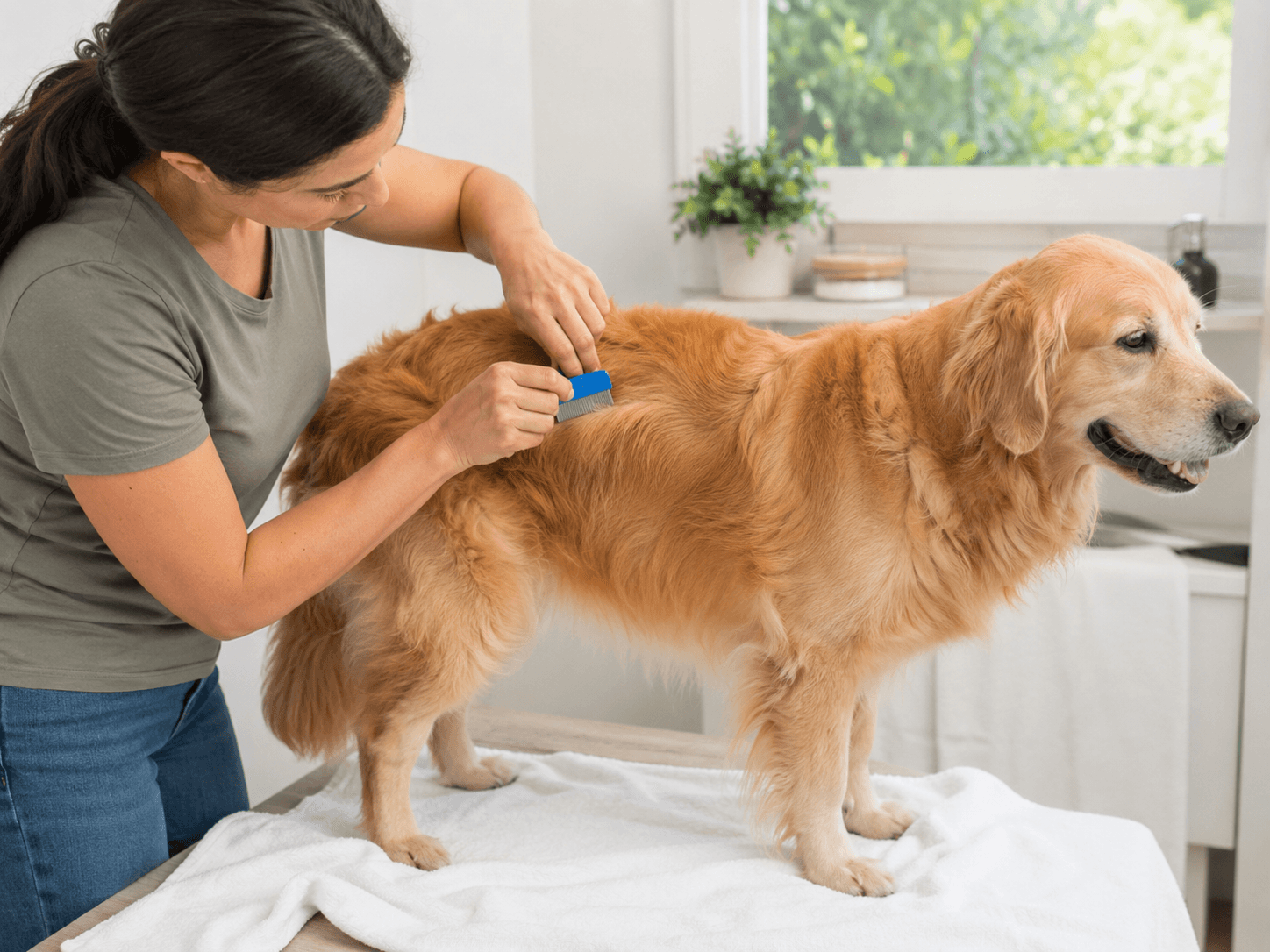
Watch for repeated scratching, biting around the rump or tail, sudden restlessness, patchy hair loss and small dark specks in the coat. Those specks may be flea dirt, which contains digested blood. A fine flea comb helps you inspect the neck, belly, groin and base of the tail, where fleas often hide. Comb over a white paper towel so debris is easy to see, then add a drop of water. Flea dirt often leaves a reddish brown stain. Don’t assume every itch comes from fleas, though. Allergies, mites, infections and dry skin can cause similar symptoms. Book a veterinary check when scratching is severe, the skin looks sore, your dog seems tired or the problem keeps returning despite treatment.
How Flea Shampoo Fits into Your Plan
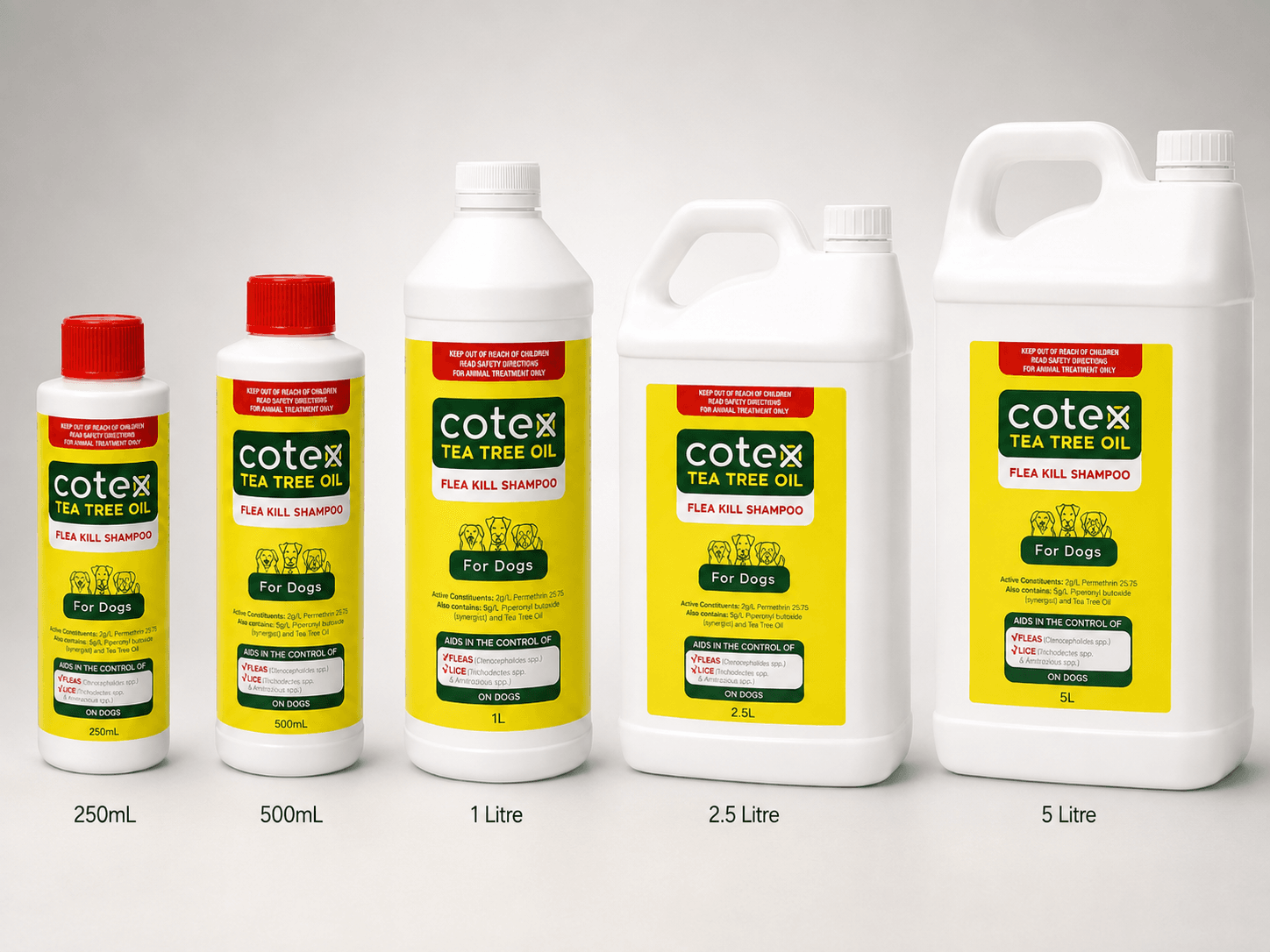
A quality flea shampoo aids in the control of fleas present on the coat during the bath while washing away grime, loose hair and flea dirt. Petway Petcare’s Cotex Flea Kill Shampoo for Dogs is made for dogs and is labelled for the control of fleas and lice. It is available in 250ml, 500ml, 1 Litre, 2.5 Litre and 5 Litre bottle sizes. Dampen the coat thoroughly, apply the shampoo across the body, massage it into the coat, leave it on for up to 5 minutes looking for activity, then rinse well, starting from the head and working back towards the tail and dry your dog. Using extra product won’t improve the result. Do not leave the shampoo on longer than directed, and avoid contact with the eyes because the product may irritate the eyes and skin. Importantly, Cotex Flea Kill Shampoo must not be used on cats. In homes with both dogs and cats, store the product securely, separate pets during treatment and follow the label directions regarding rinsing, drying and contact between animals.
Use Flea Shampoo Safely
Read the complete label before using any flea shampoo. Check that it suits your dog’s, age and health, then follow the stated dilution, contact time and rinsing directions. Wet the coat thoroughly and work the product through the fur, paying attention to the neck, back, belly and base of the tail while keeping it away from the eyes, mouth and inner ears. Rinse well starting from head and working back to tail and dry your dog somewhere warm. Don’t mix insecticidal products unless a veterinarian confirms they are compatible. Read the complete label before use and speak with your veterinarian if your dog is unwell, has a skin condition or is receiving another parasite treatment. Stop using the product and seek veterinary advice if you notice any unusual symptoms or reactions.
Clean Your Home on the Same Day
Once you’ve washed your dog, clean the places where they spend time. Wash pet bedding, blankets and removable covers using the warmest suitable setting on the care label. Vacuum carpets, rugs, skirting boards, under furniture and the car if your dog travels with you. Empty the vacuum outside straight away. Clean hard floors and inspect kennels, patios or shaded outdoor sleeping areas too. Repeat vacuuming during an active infestation because new adults can keep emerging from pupae. That doesn’t always mean the shampoo failed. It often means the flea life cycle is continuing in the environment. RSPCA Australia explains that eggs can fall into bedding, carpet, soil and other surrounding areas, making home cleaning a key part of flea prevention for dogs.

Consider Other Petway Petcare Flea Solutions
Petway Petcare’s Cotex flea and tick product range includes shampoos, rinses and sprays for different parasite control needs. One option is the Cotex Multipurpose Insecticidal Spray and Pine Oil Cleanser, which Petway Petcare states controls fleas, lice, flies, mites and adult brown ticks on dogs. It is a fantastic insect repellent and can be sprayed on daily during high infestation periods. It must not be used on animals under three months old, and it shouldn’t be sprayed into the eyes. Use it only as directed. (delete this bit – rather than as an everyday deodorising spray). These Petway Petcare Cotex flea and tick products support a broader flea control routine. Ask your veterinarian to recommend long term prevention when your dog has recurring infestations, flea allergy dermatitis, sensitive skin or other medical needs.
Build a Simple Prevention Routine
Good flea prevention for dogs is mostly about consistency. Check the coat weekly, wash bedding regularly and record any preventative doses recommended by your veterinarian. Dogs that attend daycare, boarding kennels, grooming salons or dog parks have more opportunities to encounter fleas. In a home with several pets, every animal needs a species appropriate prevention plan. Never share dog products with cats. A practical routine is easy to follow:
- Check your dog’s coat and skin once a week.
- Use a flea comb when scratching increases.
- Wash bedding and vacuum pet areas regularly.
- Use flea shampoo only according to its label as required.
- Follow your veterinarian’s ongoing prevention schedule.
- Recheck the home and every pet after treatment.
Choose the Right Option for Your Dog
There isn’t one perfect dog flea treatment for every pet. A puppy, an older dog with sensitive skin and an active working dog may need different products. Check the label for species, minimum age, directions and warnings. Consider coat length, swimming habits, grooming frequency and whether cats or young children live in the home. The Australian Government’s parasite treatment guidance for dogs and cats stresses following manufacturer directions, including the correct reapplication interval. Don’t reapply early because you’re worried, and don’t combine products with similar active ingredients without professional advice. When you’re uncertain, take the packaging to your veterinarian. They can help confirm whether the product fits your dog’s weight, age, health and existing medicines, which is much safer than guessing based on a general online recommendation.
Avoid Common Flea Control Mistakes
Many flea problems continue because one small part of the cycle gets missed. Common mistakes include bathing the dog without washing the bedding, treating one pet while another goes untreated, guessing the dose, applying products too soon or stopping as soon as no adult fleas are visible. Flea eggs, larvae and pupae can remain in the home after the adult fleas are gone. Continue cleaning and prevention for the full recommended period. Avoid unverified home remedies, especially concentrated essential oils or household chemicals. Some natural ingredients are unsafe for pets, especially when they’re concentrated or used incorrectly. Flea products also aren’t interchangeable between species. Petway Petcare clearly warns that Cotex Flea Kill Shampoo must not be used on cats. Read the label every time, even if you’ve used the product before, because familiarity can make people skip important warnings.
When to Speak with Your Veterinarian
Call your vet when your dog scratches hard enough to damage the skin, develops raw patches, loses hair, seems weak, has pale gums or is a young puppy with fleas. Veterinary help is also important when infestations keep returning or your dog has seizures, allergies, skin disease or previous reactions to parasite products. Flea allergy dermatitis can make only a few bites intensely uncomfortable. A dog with flea allergy dermatitis can develop severe itching after only a few flea bites. Your vet will examine your dog for secondary infection, anaemia and tapeworm and recommend a prevention program suited to their needs. That gives you a safer path than adding one product after another. The right treatment plan controls fleas on your dog and throughout their surrounding environment.
Keep Fleas from Taking Over Again
Knowing how to protect your dog from fleas starts with a steady, ongoing routine. Use the right flea shampoo immediately after activity is noticed, clean the home thoroughly, inspect every pet and follow veterinary advice for ongoing prevention. Petway Petcare’s dog shampoo range helps maintain a clean, comfortable coat, while regular grooming between flea checks can help you notice changes in your dog’s skin and coat early. If your dog has ongoing dryness, irritation or sensitive skin, ask your veterinarian whether a separate gentle grooming product is appropriate between parasite treatments. These professional pet shampoos don’t replace flea treatment, though they can support regular skin and coat care between parasite treatments.
Start with the directions, never use dog only insecticides on cats and ask your vet whenever your dog’s age, health or medicines create uncertainty. Explore Petway Petcare’s Cotex flea and tick solutions today, then pair the right product with regular cleaning and professional advice to give your dog lasting comfort and protection.
Frequently Asked Questions
Does Flea Shampoo Prevent Fleas Long Term
A flea shampoo kills fleas present on the coat during washing. The exact level and duration of control depends on the product label. It shouldn’t automatically replace a longer lasting preventative recommended by your veterinarian. Think of bathing as one useful part of a wider plan that includes environmental cleaning, coat checks and ongoing protection. When fleas return, look beyond the bath. Check whether bedding is being washed, every pet is appropriately treated and preventative doses are on schedule. Petway Petcare Cotex flea and tick products support this routine when each product is used for its labelled purpose. A balanced plan avoids unnecessary product use while still dealing with the animal and the places where immature fleas develop.
Can I Use Dog Flea Shampoo on My Cat
No. Never assume a product that is safe for dogs is safe for cats. Petway Petcare states that Cotex Flea Kill Shampoo is designed for dogs only and must not be used on cats. Cats process some chemicals differently from dogs, and exposure can happen through direct application, shared bedding or grooming a recently treated dog. In a mixed pet household, separate animals during treatment and follow the label before allowing close contact again. Store products securely, clean spills immediately and call a veterinarian if accidental exposure occurs. These precautions reduce the risk of accidental poisoning and protect every pet in the household.